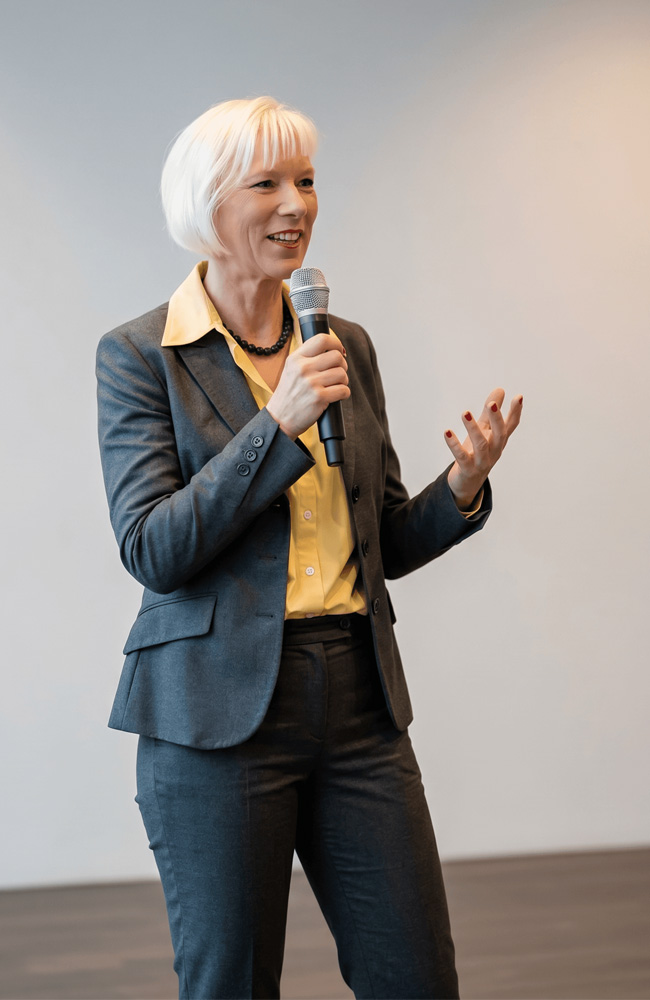
Susanne Kremeier – Speaker on Future Viability
International keynote speaker for organizations that want to leverage digitalization, AI, and generational change as opportunities. Her presentations are clear, humorous, and practical – inspiring immediate action to embrace future viability.
Keynote Topics (Selection):
Language: German & English
Interested in a keynote? Inquire now.
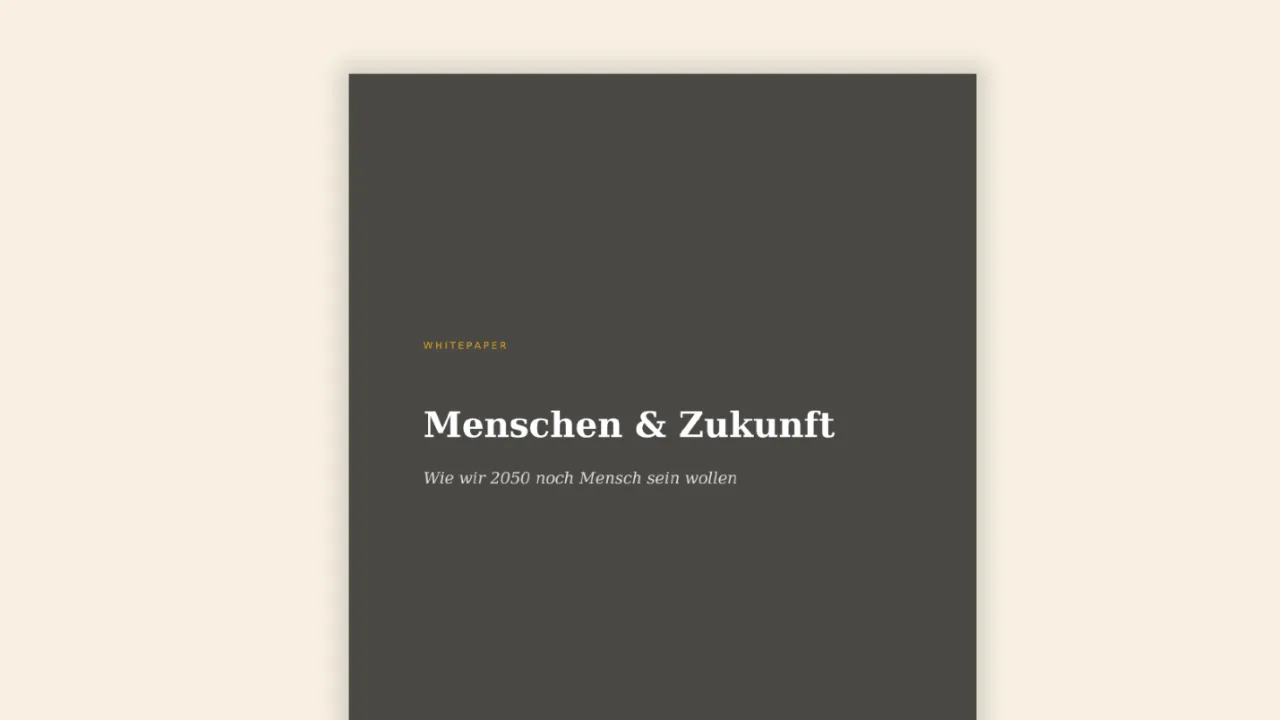
By 2050, AI and robotics will perform more work than all humans combined. This whitepaper shows why this is not a question of job security, but a design question: What activities do we, as humans, consciously want to reserve for ourselves — because we want to be them, not because we can do them better? The article explores four central areas of tension for the coming decades: the personal human-machine balance, the financing of a society without income tax, an education system that prepares children for identity rather than job profiles, and the question of what ultimately constitutes human self-understanding when work no longer defines it.
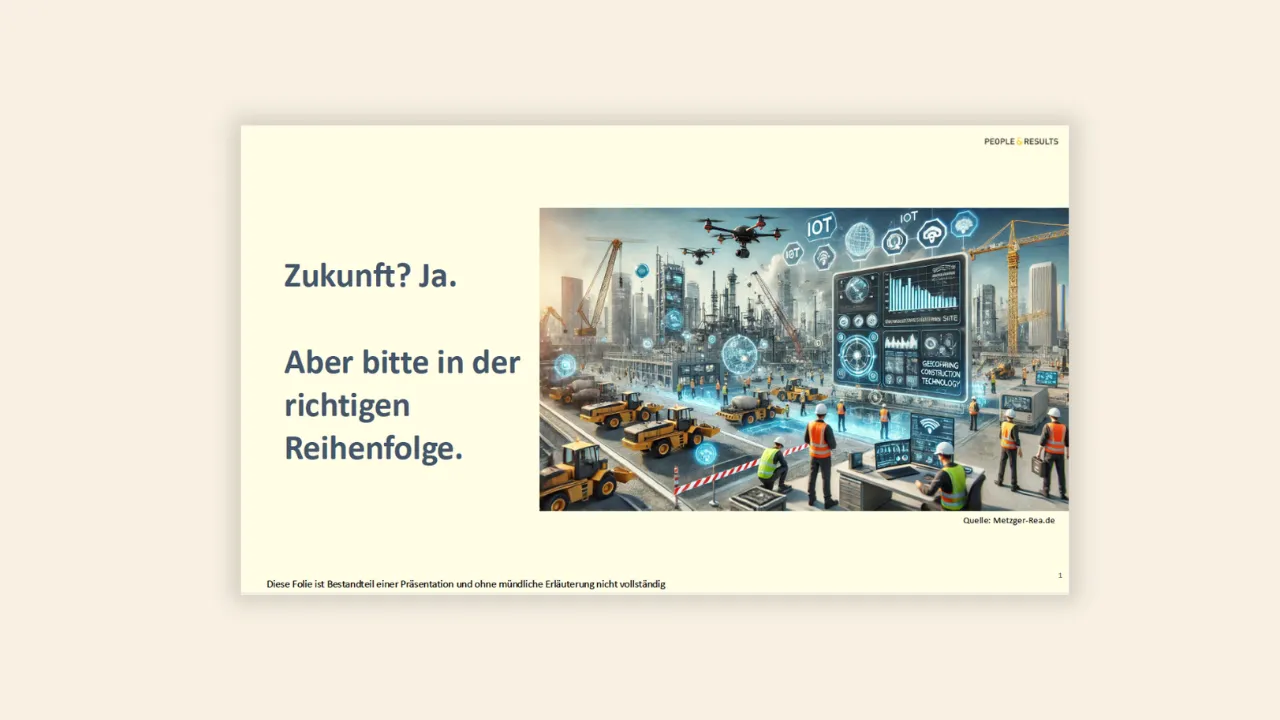
Many companies discuss AI, digitalization, or new business models. However, the crucial question is often asked too late: How is our customers' world changing – and what role do we want to play in it in the future?In his keynote address, future strategist Andreas Oehme demonstrates why sustainable future strategies don't start with technology, but with a clear vision of the future. Using impressive examples from
industry and SMEs, he illustrates how companies identify weak signals, set strategic priorities, and derive concrete decisions for their business model, innovation, and organization. The presentation combines future research with entrepreneurial practice and
shows how orientation leads to the ability to act. Because those who think about the future in the right order make better decisions today.
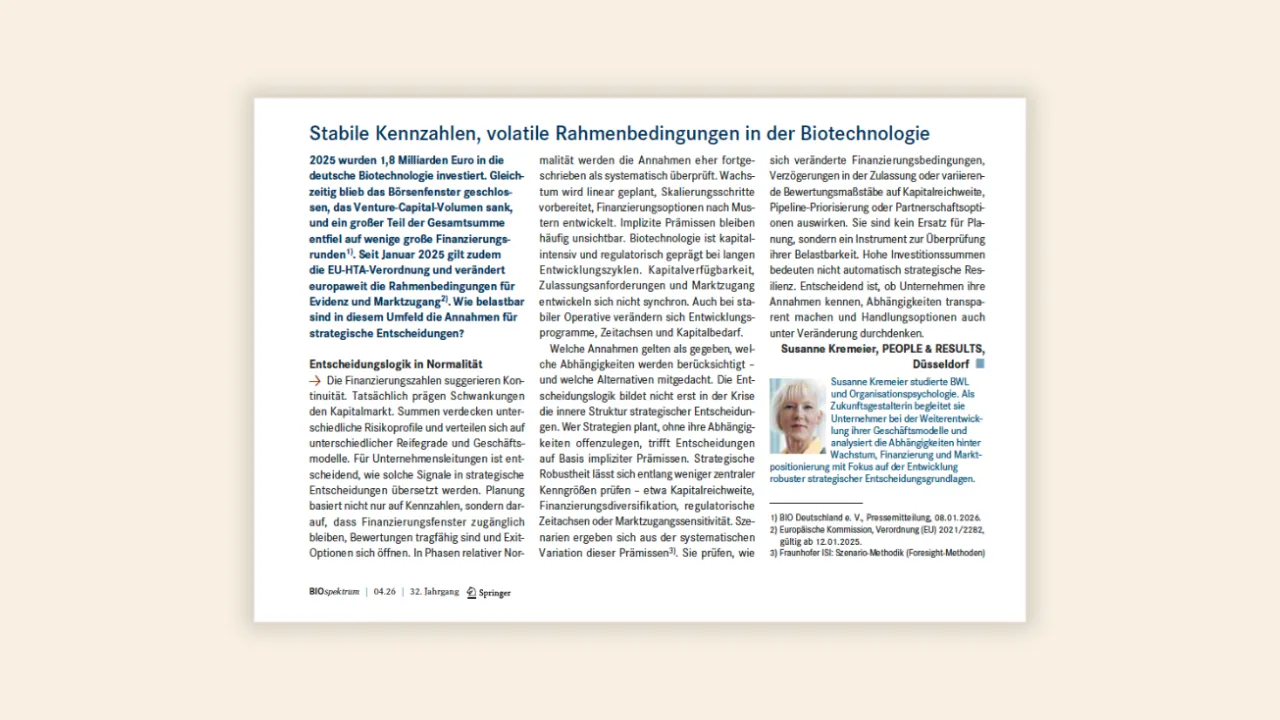
How can strategic decisions be made when capital markets fluctuate, regulatory requirements increase, and market access becomes more uncertain? This article shows why robust future planning requires more than just stable key figures: The key is to make assumptions, dependencies, and courses of action so transparent that companies can make sound decisions for growth, financing, and market positioning, even under volatile conditions.
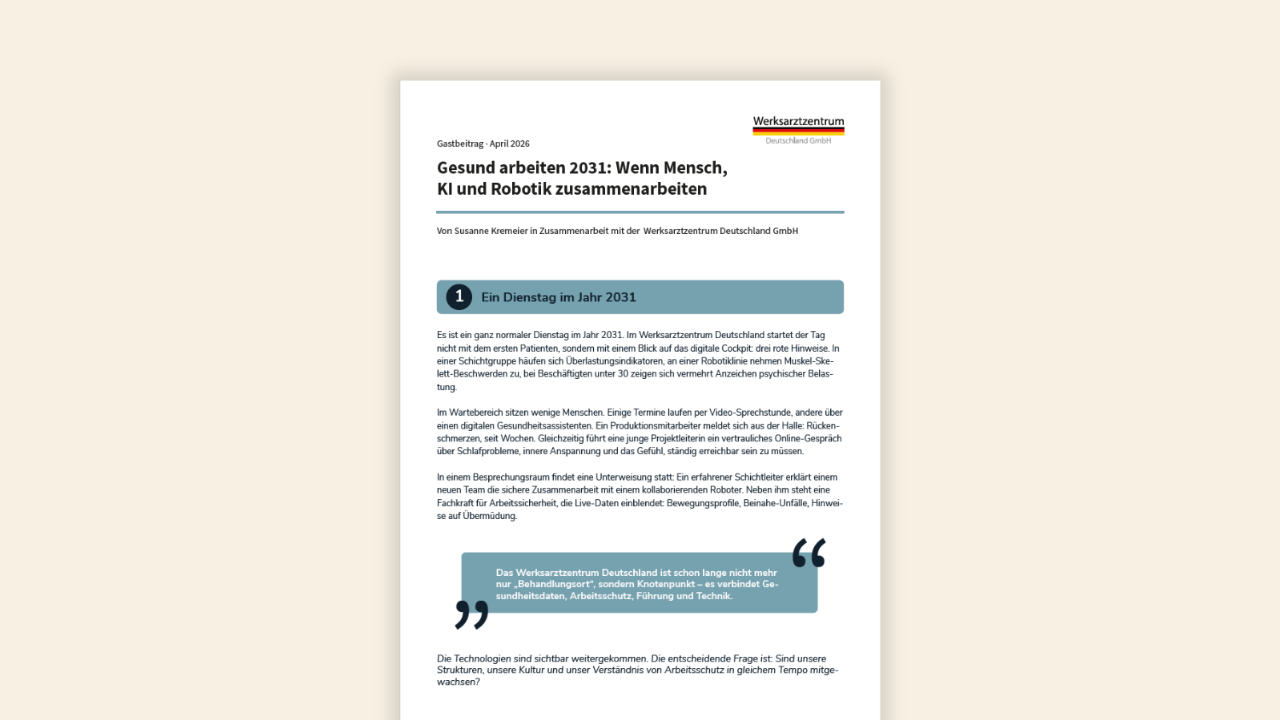
Healthy Work 2031 doesn't just happen; it's the result of consciously shaping work, technology, and culture. Key is a human-centered occupational health and safety approach that integrates mental health, generational diversity, and digital advancements – making prevention, performance, and sustainable success possible.
The presentation shows construction equipment manufacturers why individual technologies are not decisive, but rather the question of what role they want to play in their customers' digitally organized construction sites by 2035 – from being mere machine suppliers to co-creators of networked systems. The focus is on business models centered around data-driven services, platform logic, and new construction methods – and the consequence of addressing future topics in a clear sequence: creating transparency, choosing a focused investment, and aligning organization and partnerships.
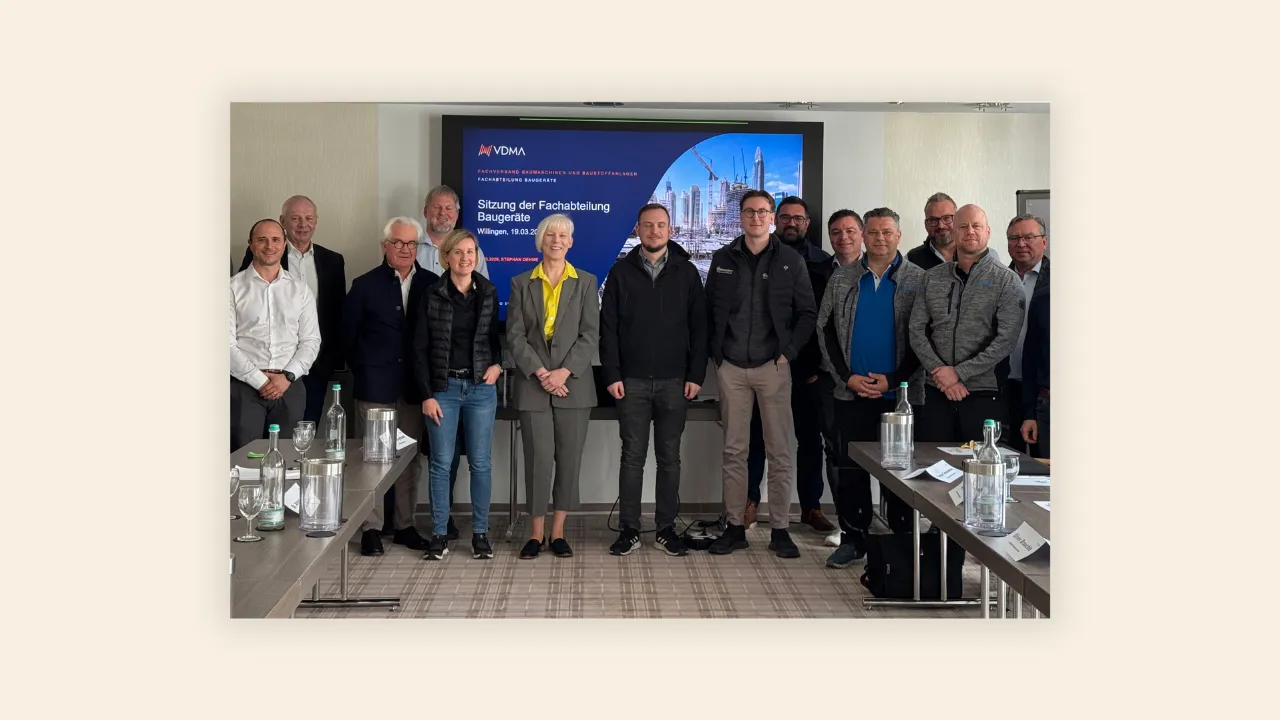
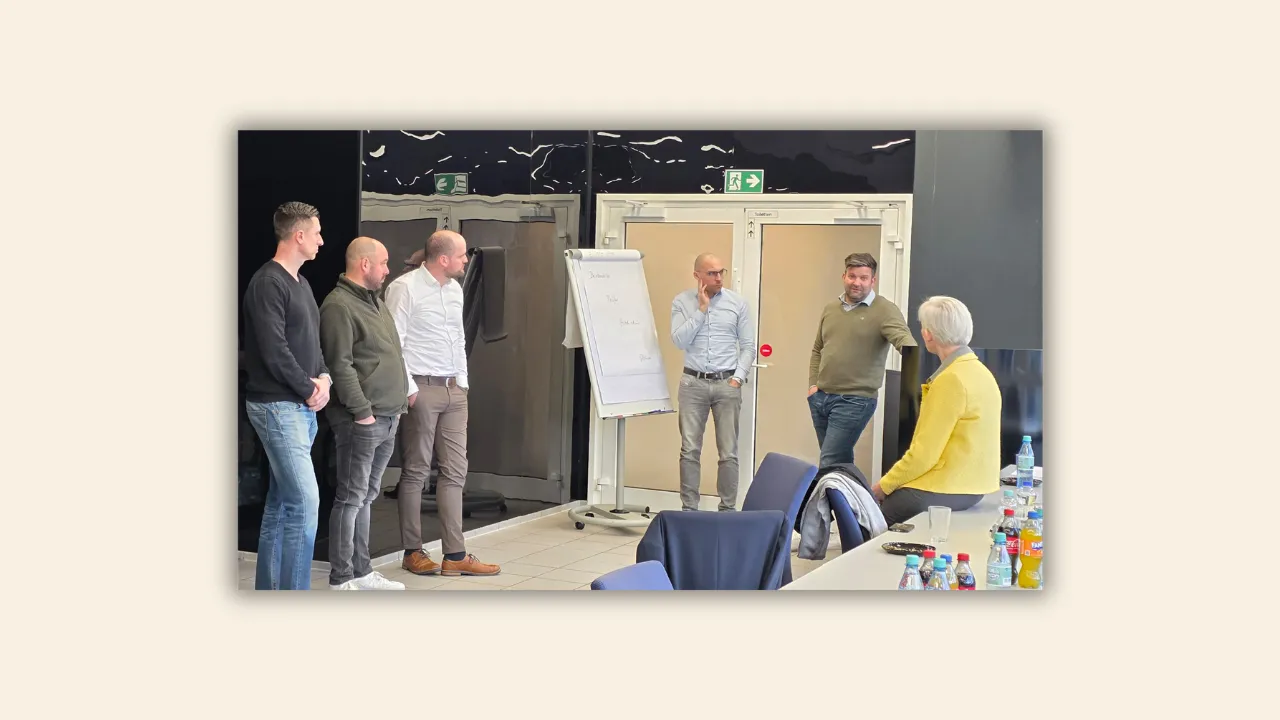
The presentation shows entrepreneurs: Entering the defense industry is not merely a market decision, but a strategic leadership and identity question. Those who clearly define their stance and develop a compelling narrative create orientation for employees, customers, and the public – transforming an opportunity into a sustainable strategy.
I combined this presentation with a short workshop.
Sustainability is not a coincidence, but the result of conscious decisions and good organization. A people-centred structure that strengthens cooperation and personal initiative is crucial — this makes innovation, responsibility and sustainable success possible. (In German)

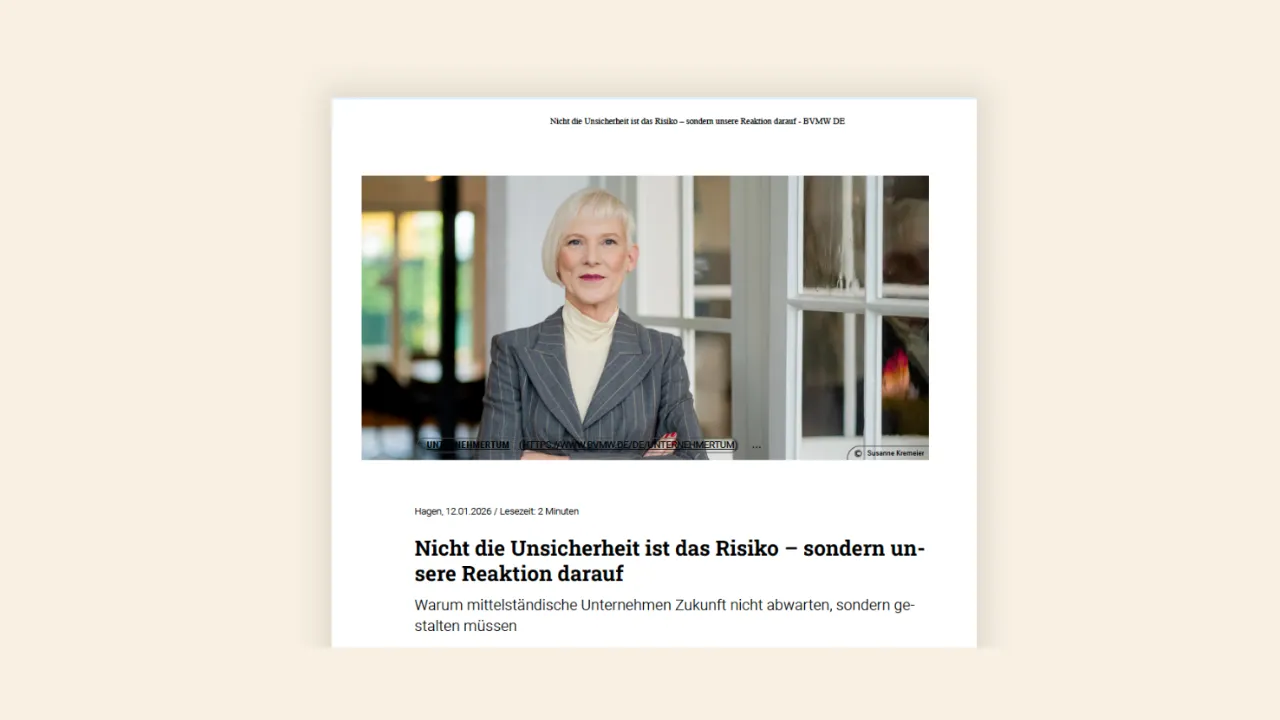
The article shows that uncertainty is not the biggest risk for companies, but a passive response to it. Successful companies actively shape their future, make decisions despite uncertainty and develop clear strategic orientation. Leadership and clear positioning are decisive. (In German)
The presentation shows mechanical engineering software providers: Manufacturing X-Readiness is not achieved through technology alone, but through clear management decisions and strategic positioning.
Trust — in market presence, data sharing and product — is the new currency. Anyone who helps shape standards and sets clear limits becomes part of the infrastructure of networked ecosystems instead of just a software supplier.
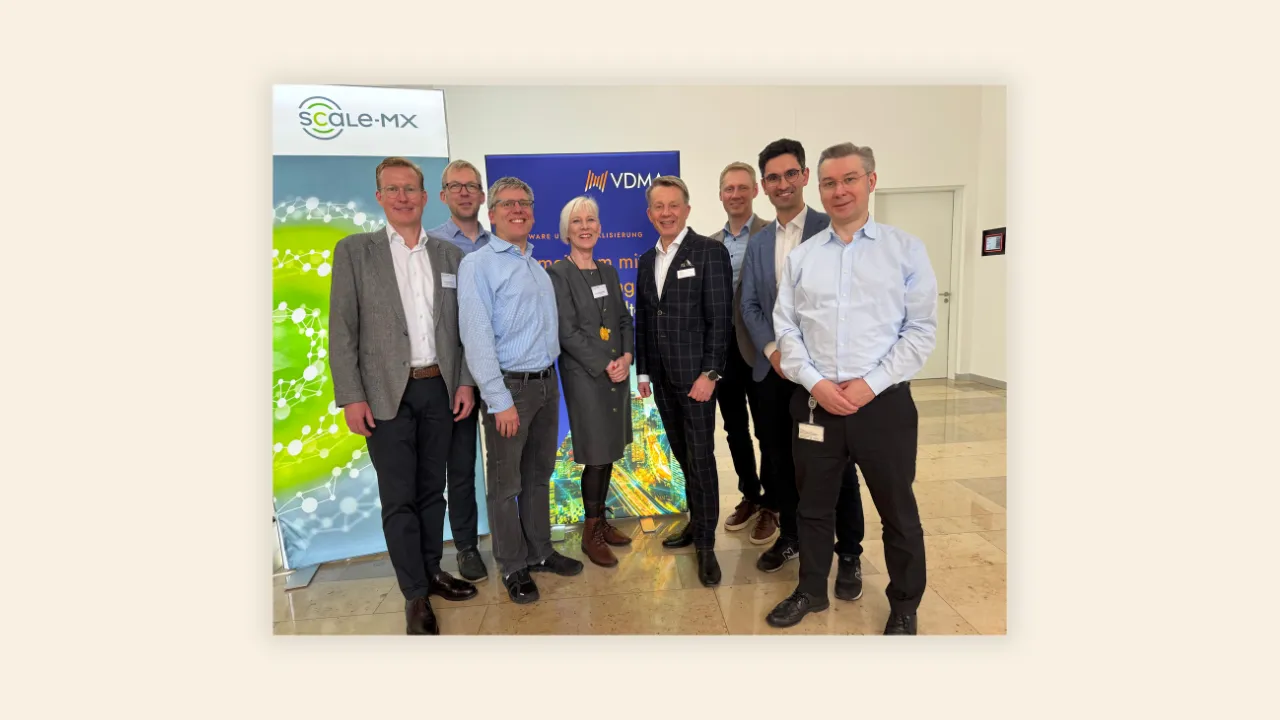
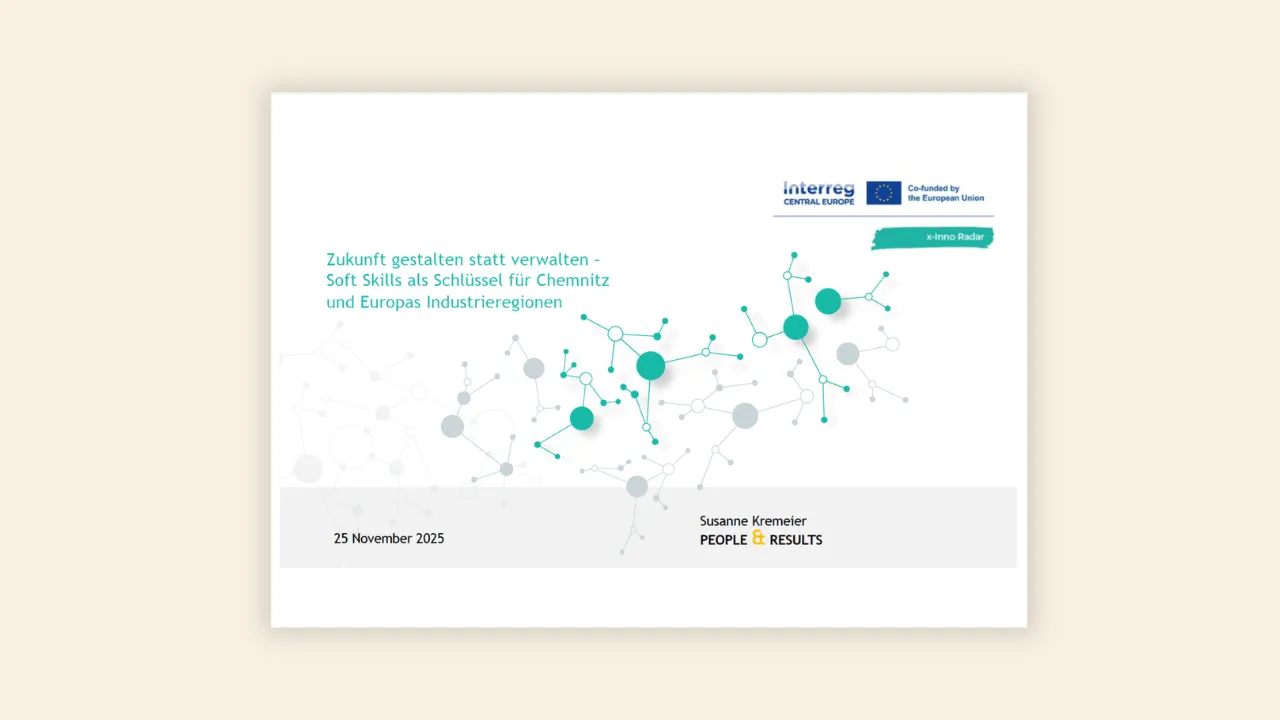
Why soft skills are the key resource for change in industrial regions — and how companies recognize patterns that others overlook. Keynote at X-inno, Chemnitz. (In German)
How progress makes things easier — and sometimes takes away moments of discovery. About the balance between innovation and humanity. Presentation for Nespresso. (In German)
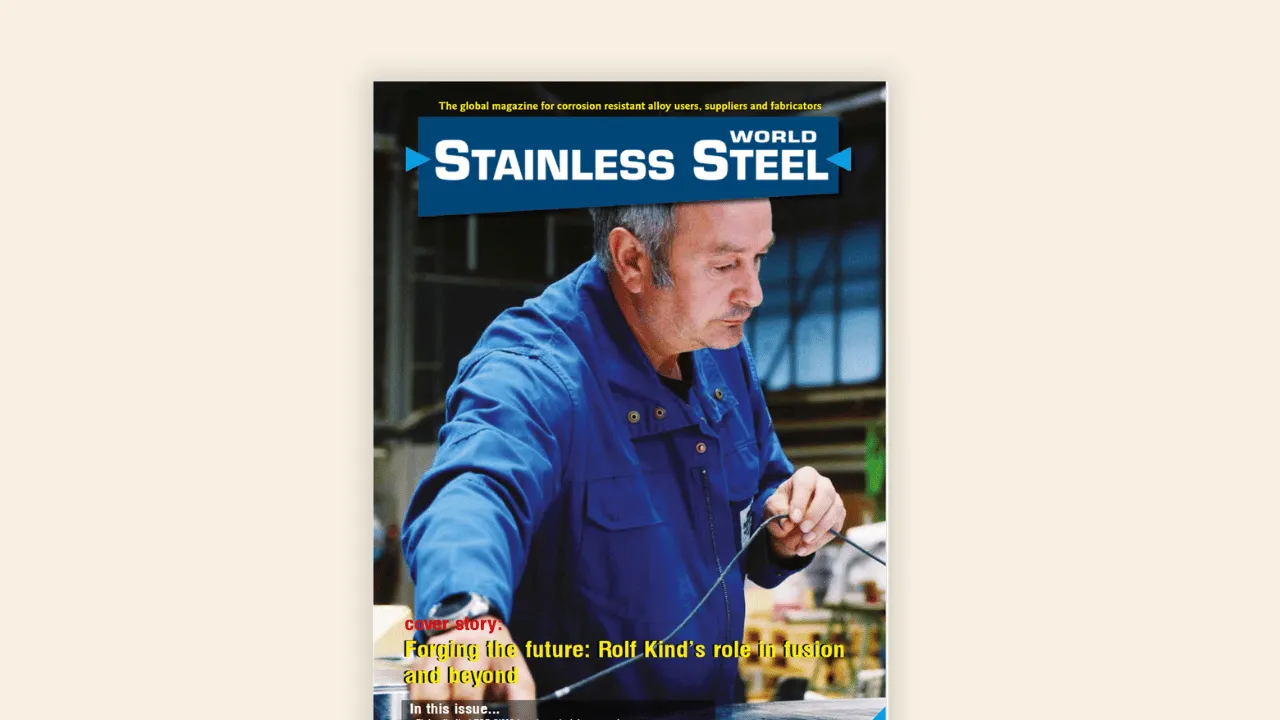
Cover story in the international trade magazine Stainless Steel World about Rolf Kind GmbH — from the energy revolution to superconducting magnets for fusion power plants. (In German)
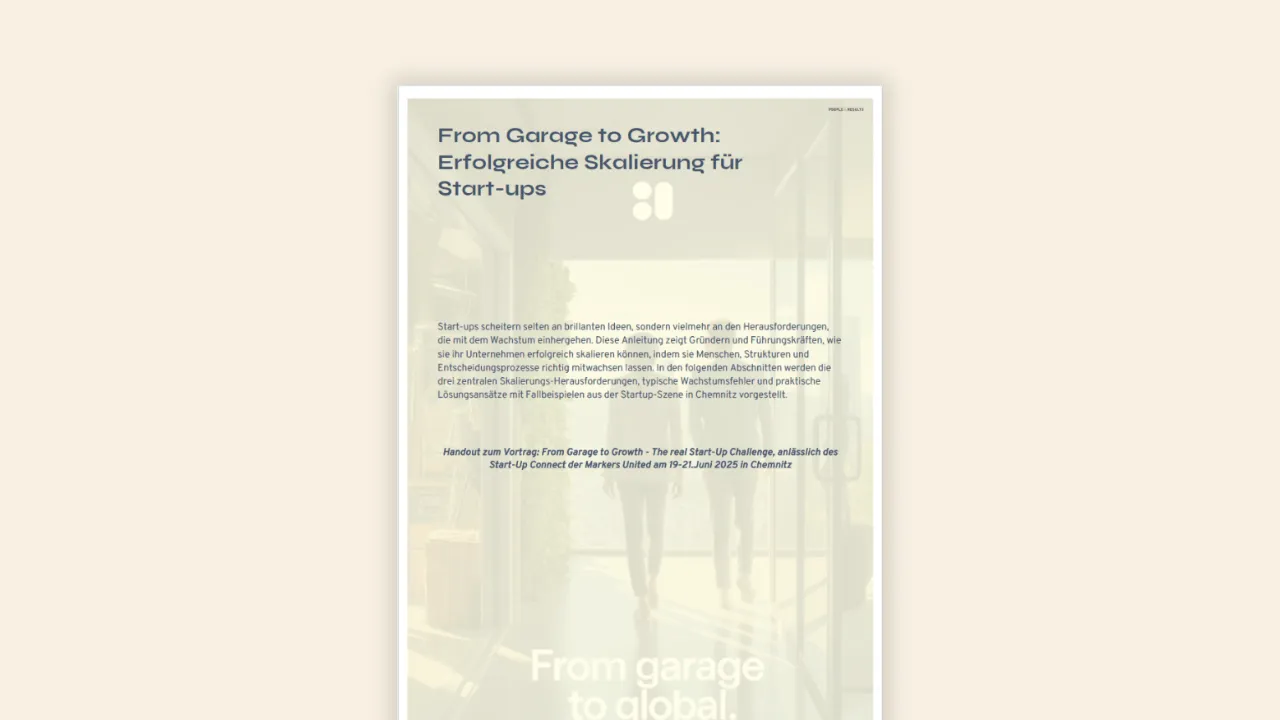
The three key scaling mistakes — and how founders master the transformation from vision to organization without losing their DNA. Keynote at Start-Up Connect, Chemnitz.
.webp)
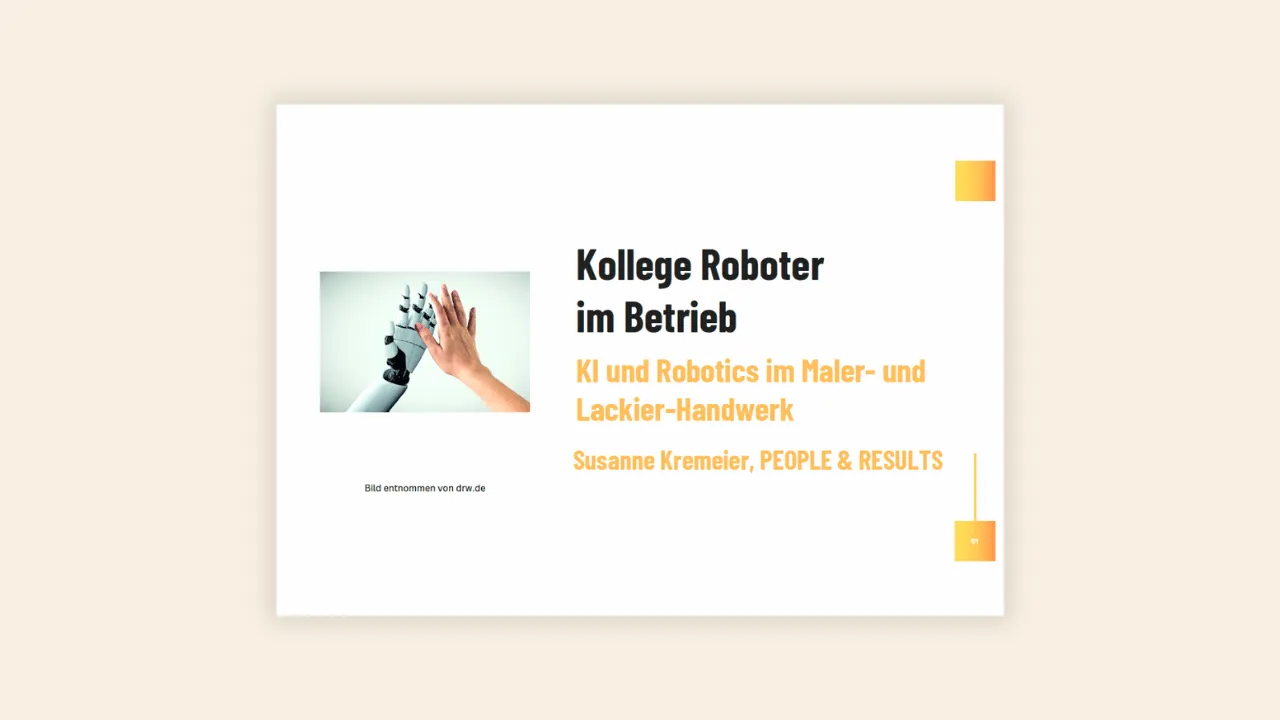
How people and machines can work together as a team — and what companies need to consider when integrating AI and robotics. ZAU — employment law in companies. (In German)
Presentation at the Sikkens Academy. How AI and robotics are making crafts more productive, sustainable and attractive for young professionals. (In German)
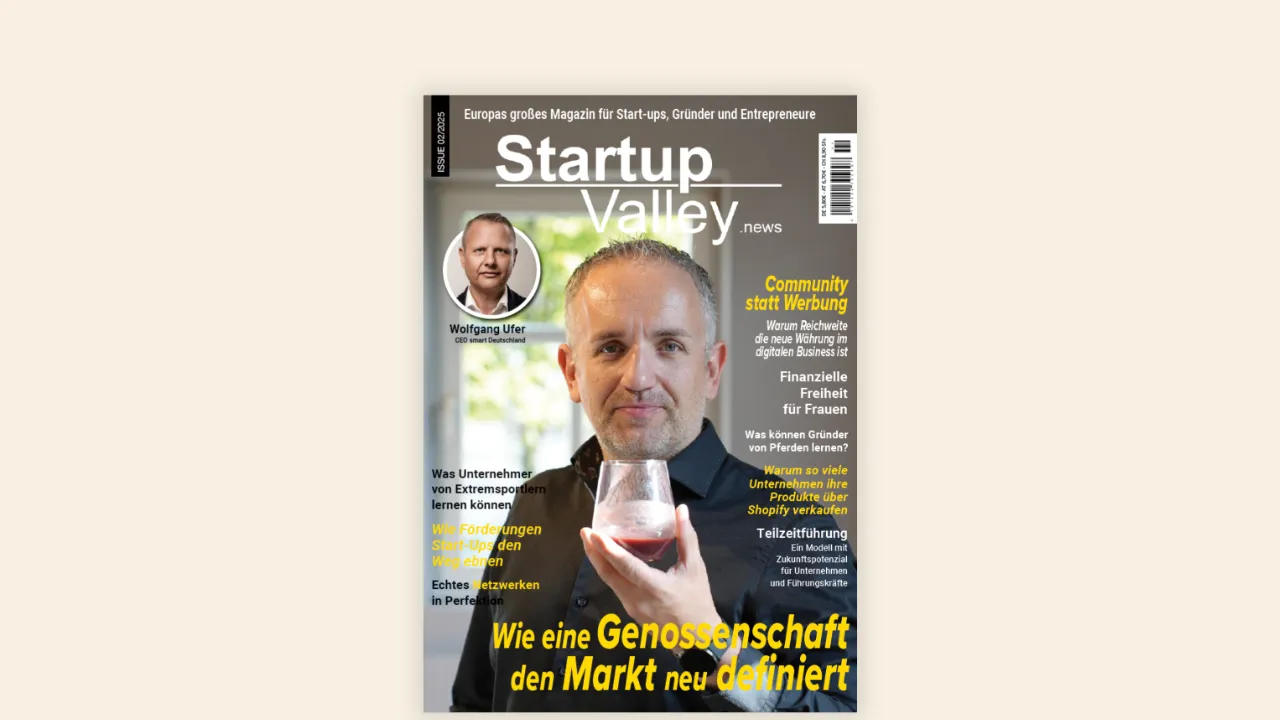
Corporate culture, clear responsibilities and the right leadership roles determine growth or stagnation. StartupValley magazine. (In German)
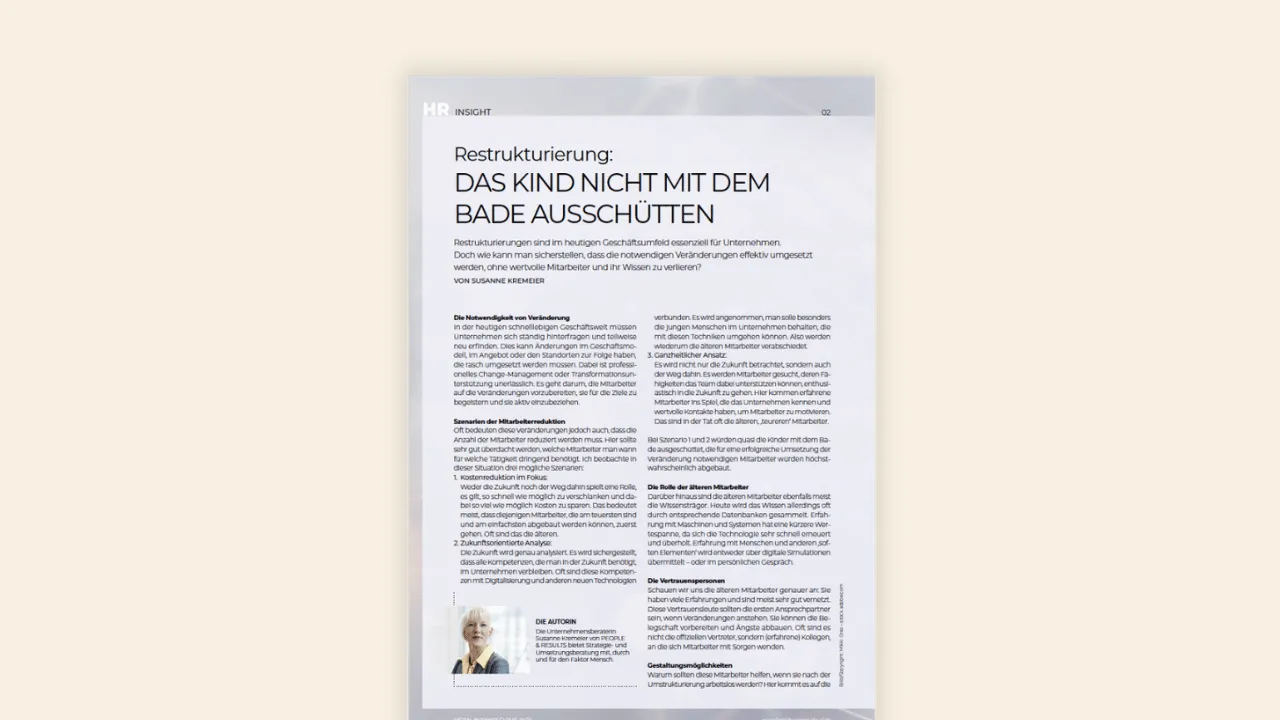
How companies become lean during a crisis without losing the knowledge they need for the future. Digital business cloud. (In German)
.webp)
What automation can do — and where people remain indispensable. About the responsible use of AI in companies and society. Talk to people. (In German)
Interview about Generation Z in the working environment — why the younger generations want to contribute just as much as the older generations and what companies can learn from this. (In German)
About a shortage of skilled workers, early school leavers as undiscovered potential and social responsibility — how companies become truly attractive for young people. Painter and Painter. (In German)
The path to your own management consultancy, the founding of PEOPLE & RESULTS and lessons from over 25 years of practical experience. Interview in BVMW magazine. (In German)
.webp)
Companies are cutting staff — and at the same time complaining about a shortage of skilled workers. What this has to do with sustainable economy. forum — Sustainable Economics. (In German)